Why Is My Dog Drinking So Much Water in Summer? When to Be Concerned
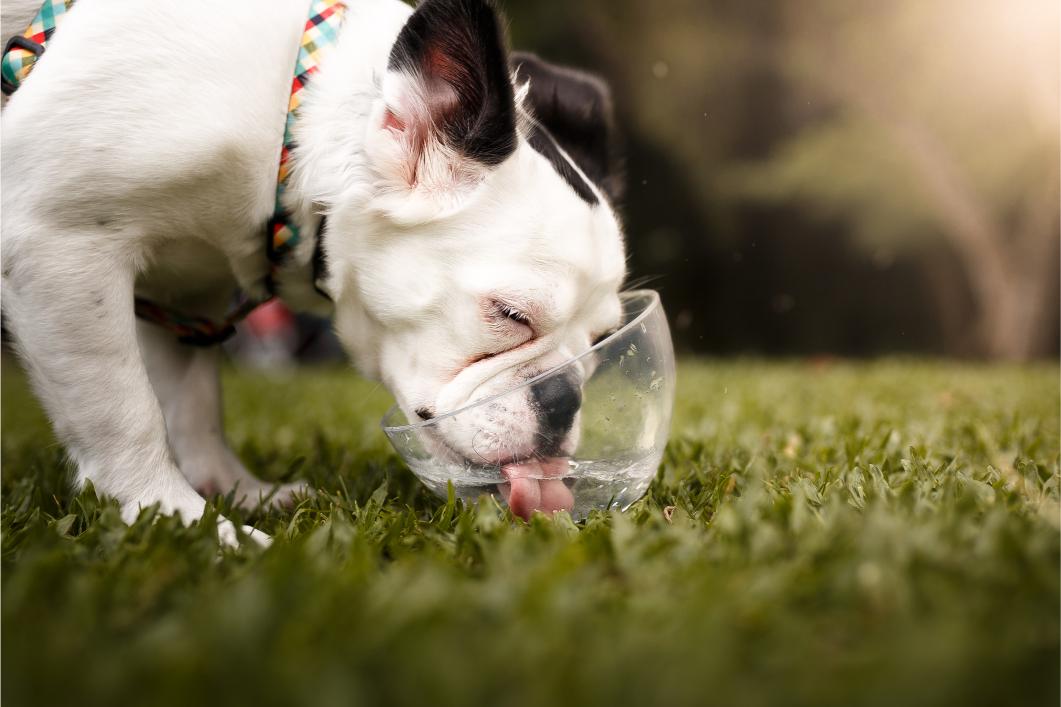
As temperatures rise, you may notice your dog heading to the water bowl more often. In many cases, that’s completely normal. But when does increased thirst cross the line into something worth a closer look?
At Marketplace Veterinary Hospital in El Dorado Hills, CA, we often hear from pet owners who are unsure whether their dog’s summer drinking habits are expected or a sign of an underlying issue. Understanding the difference can help you feel more confident in caring for your pet.
Why Dogs Drink More Water in Hot Weather
Like humans, dogs need more water to stay hydrated in the heat. Panting, increased activity, and time spent outdoors all contribute to fluid loss.
A healthy increase in water intake during summer is typically linked to:
- Higher temperatures and humidity
- More exercise or outdoor play
- Panting as a primary cooling mechanism
- Dietary factors, such as dry kibble or salty treats
As long as your dog is otherwise acting normal—eating well, maintaining energy, and urinating regularly—this seasonal increase is usually nothing to worry about. Still, it’s helpful to keep an eye on how much your dog is drinking so you can recognize when something changes.
When Increased Thirst May Be a Concern
If you start to notice your dog drinking excessive water beyond what seems reasonable for the weather or activity level, it may point to underlying dog thirst causes that require attention.
You might consider a veterinary visit if your dog:
- Empties the water bowl frequently or seems unable to quench their thirst
- Needs to go outside more often or has accidents in the house
- Shows changes in appetite or weight
- Appears lethargic or less interested in normal activities
These signs can indicate that increased thirst isn’t just about staying cool—it may be your dog’s way of signaling that something isn’t quite right.
Medical Conditions Linked to Excessive Drinking
While occasional increases in thirst are expected, persistent or dramatic changes can sometimes be associated with medical conditions. Identifying these early can make a meaningful difference in your dog’s health.
Some common conditions connected to increased drinking include:
- Diabetes: Dogs may show symptoms such as increased thirst, increased urination, and changes in appetite.
- Kidney disease: In dogs, kidney issues may lead to increased thirst as the body tries to compensate.
- Hormonal conditions: These may include conditions like Cushing’s disease.
- Medications: Certain medications can increase thirst as a side effect.
If your dog’s water intake seems consistently high, your veterinarian may recommend diagnostic testing to better understand what’s driving the change.
How to Monitor Your Dog’s Water Intake
It can be surprisingly difficult to know what “too much” water looks like without a baseline. Taking a more intentional approach to monitoring can help you spot patterns early.
Here are a few simple ways to keep track:
- Measure how much water you add to the bowl each day
- Refill at consistent times to observe changes
- Watch for increased urination or accidents
- Note any other symptoms alongside increased thirst
Keeping track for a few days can provide helpful insight and give your veterinarian more information if you decide to schedule a visit.
Supporting Your Dog’s Hydration Safely
Even when increased thirst is normal, it’s still important to support your dog’s hydration in a healthy way.
You can help by:
- Providing constant access to fresh, clean water
- Offering shaded areas when outdoors
- Avoiding peak heat hours for exercise
- Bringing water along on walks or outings
These simple steps can go a long way in keeping your dog comfortable and reducing the risk of dehydration.
When to Call Your Veterinarian
If you’re unsure whether your dog’s drinking habits are normal or concerning, it’s always better to check. Subtle changes can sometimes be early indicators of larger health issues, and early evaluation can help protect your dog’s long-term well-being.
Contact Marketplace Veterinary Hospital in El Dorado Hills, CA, at (916) 939‑1705 to schedule an appointment. Our veterinarians and staff are here to help you understand what’s normal, what’s not, and what steps to take next to keep your dog healthy and comfortable all summer long.