
Dog & Cat Dermatology 101: When Itching Means Something Serious
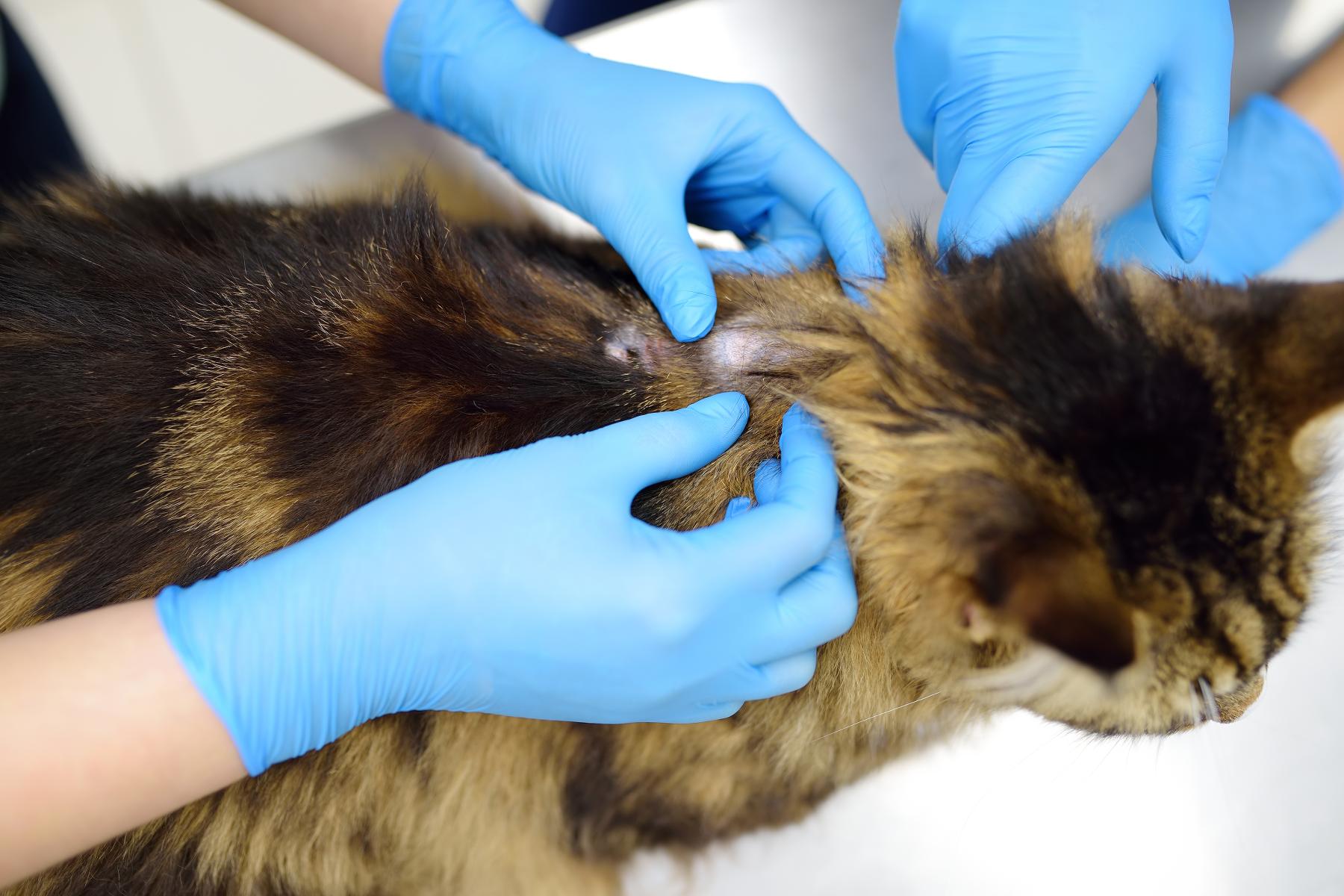
An itchy pet is a common concern—and an easy one to underestimate. A little scratching here or licking there might seem harmless, but persistent skin issues often signal something more serious beneath the surface.
At MarketPlace Veterinary Hospital, we see dogs and cats every day whose itching turns out to be more than a minor nuisance. Understanding when to contact your veterinarian can make all the difference.
Scratching, Licking, and Losing Fur: What’s Normal and What’s Not
Occasional itching is part of life. But chronic behaviors deserve attention, especially when they become frequent, focused, or forceful. If your pet can’t seem to settle, their skin may be trying to tell you something.
Red flags include:
- Scratching or licking that happens daily
- Hair loss or thinning fur
- Red, inflamed, or scabbed skin
- Recurrent ear infections
- Changes in behavior or sleep due to discomfort
Dog Itchy but No Fleas? Look Beyond the Obvious
Many pet parents are surprised to learn that a dog itchy but no fleas is actually one of the most common dermatology scenarios we see. Fleas get a lot of blame, but they’re far from the only culprit.
Possible causes include:
- Environmental allergies (pollens, molds, dust mites)
- Food sensitivities
- Contact reactions (grass, cleaning products, fabrics)
- Skin infections caused by bacteria or yeast
- Hormonal or immune-related conditions
Cat Overgrooming the Belly: A Subtle Sign of Skin Trouble
Cats often express itchiness quietly. One of the most telling signs is a cat overgrooming the belly, legs, or sides. In cats, excessive licking or overgrooming is often linked to allergies, parasites, stress, or underlying skin inflammation.
Pet Allergies: Signs That Shouldn’t Be Ignored
Pet allergies signs don’t always look like sneezing or watery eyes. In dogs and cats, allergies most often show as skin problems, such as:
- Persistent itching or licking
- Red or thickened skin
- Recurrent ear infections
- Hot spots or scabs
- Paw chewing or face rubbing
Why Early Evaluation Matters
Dermatologic issues are rarely just “skin deep.” Left untreated, chronic itching can lead to:
- Secondary infections
- Open sores and hot spots
- Long-term skin thickening
- Ongoing discomfort and stress
How MarketPlace Veterinary Hospital Can Help
Diagnosing itchy skin may involve:
- A detailed history and physical exam
- Skin and ear testing
- Allergy evaluations or diet trials
- Treatment plans tailored to your pet’s lifestyle and needs
The Takeaway
Scratching, licking, and overgrooming aren’t just habits; they’re signals. Whether it’s a dog itchy but no fleas, a cat overgrooming the belly, or other pet allergies signs, our goal is to calm the itch, treat the cause, and restore comfort—without guesswork.
If your pet is stuck in a scratch cycle, the compassionate team at MarketPlace Veterinary Hospital is here to help. Schedule an appointment today by calling (916) 939-1705, and let’s get your pet back to feeling comfortable in their own skin.