

Ear Infections in Dogs: Why They’re More Common in Summer
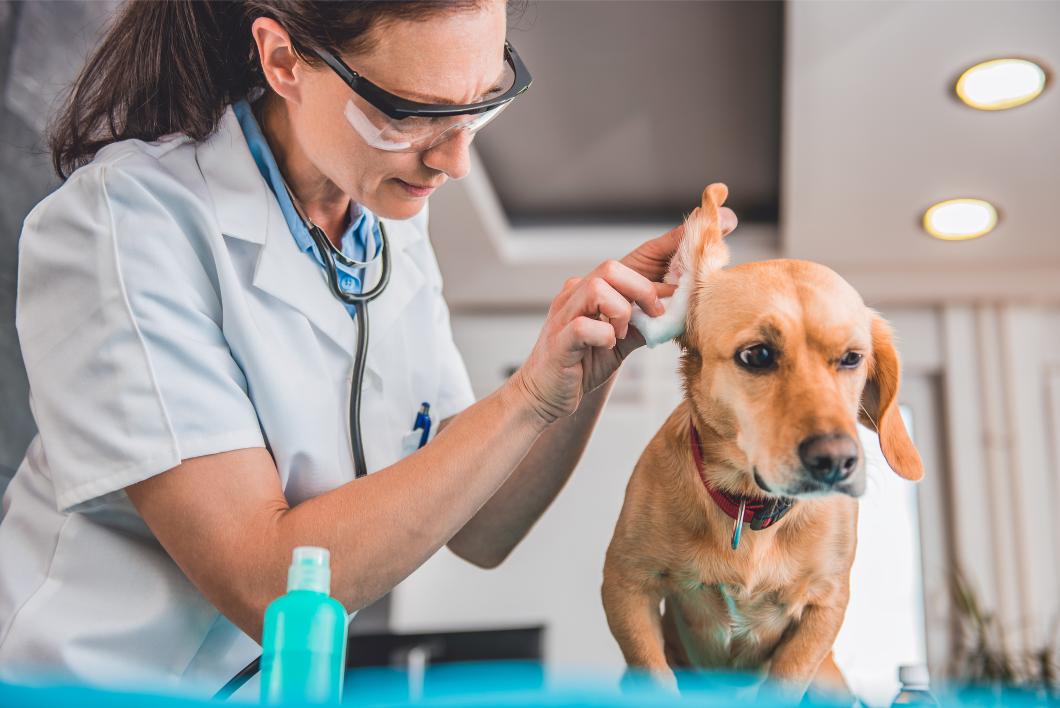
For many dogs, summer means living their best life—splashes in the water, long walks, and plenty of time outside. For their ears, though, it can be a bit of a perfect storm. At MarketPlace Veterinary Hospital in El Dorado Hills, CA, we often see more ear infections this time of year, and it’s not just a coincidence.
Why Summer Triggers More Ear Infections
Dogs’ ears create the perfect environment for bacteria and yeast to thrive, especially when heat and moisture are added to the mix. Summer conditions tend to amplify both.
Common seasonal factors include:
- Increased swimming or bathing, which traps moisture in the ear canal
- Higher humidity levels that promote microbial growth
- Allergies to pollen, grass, or environmental irritants
- Outdoor activities that expose the ears to dirt and debris
All of these can contribute to conditions like swimmer’s ear. In a dog, this happens when moisture lingers or becomes trapped, leading to irritation or infection. Left unchecked, that irritation can quickly escalate into something more serious.
Dog Ear Infection Symptoms to Watch For
Catching early signs can make treatment simpler and more effective. Some symptoms are subtle, while others are hard to miss.
If your dog is shaking their head, could it be an ear infection? It’s a simple question, but one that often points to an underlying issue that shouldn’t be ignored. This is frequently one of the earliest signs that something isn’t quite right.
Keep an eye out for:
- Frequent head shaking or tilting
- Scratching at the ears
- Redness or swelling inside the ear
- Unpleasant odor
- Dark discharge or buildup
- Sensitivity when the ears are touched
These symptoms may point to bacterial or fungal issues, including a dog ear yeast infection, which is especially common in warm, moist conditions.
If something seems off, it’s always better to have it checked sooner rather than later.
Why Some Dogs Are More Prone
Not all dogs are equally affected. Certain traits can increase the risk of ear infections, especially in summer.
Some dogs are simply more prone to ear infections, and it often comes down to a few key factors:
- Floppy ears that trap moisture
- Narrow ear canals
- Frequent swimming or outdoor activity
- Underlying allergies
If your dog falls into one of these categories, a little extra attention to ear care can go a long way in preventing problems.
How to Help Prevent Ear Infections
The good news? A few simple habits can significantly reduce your dog’s risk of developing an ear infection.
Here are some practical prevention tips:
- Dry your dog’s ears thoroughly after swimming or baths
- Use veterinarian-recommended ear-cleaning solutions
- Keep ears free of excess hair if advised by your veterinarian
- Monitor for early signs of irritation
- Stay consistent with allergy management if applicable
Regular ear checks at home can help you spot changes early, before they turn into infections that require more intensive treatment.
When to Call Your Veterinarian
While mild irritation can sometimes be managed with preventive care, infections require professional evaluation. Delaying treatment can lead to worsening pain, deeper infections, or even hearing issues.
If your dog is showing signs of discomfort, discharge, or persistent head shaking, it’s time to bring them in. Our veterinarians and staff can determine whether you’re dealing with bacteria, yeast, or another underlying issue and recommend the right treatment plan.
Keep Those Ears Healthy All Summer Long
Summer should be about sunshine, playtime, and making memories—not itchy, uncomfortable ears. Staying proactive with ear care and recognizing early symptoms can make all the difference. And if you’d like tips about how to help your dog beat the heat during the hot summer months, check out this blog post.
MarketPlace Veterinary Hospital is here to keep your dog comfortable and healthy in every season. Call us at (916) 939‑1705 to schedule an appointment.