
Why Does My Cat’s Pupil Look Different in One Eye? Understanding Unequal Pupils
Cats’ pupils naturally change size throughout the day, widening in dim light and narrowing when things get bright. But if you suddenly notice that one pupil looks larger than the other, it’s worth paying attention.
Unequal pupils, known as anisocoria, can have many possible causes, including problems involving the eye or nervous system. At MarketPlace Veterinary Hospital in El Dorado Hills, California, our team can evaluate changes in your cat’s eyes, and help determine what may be behind them.
What Is Anisocoria in Cats?
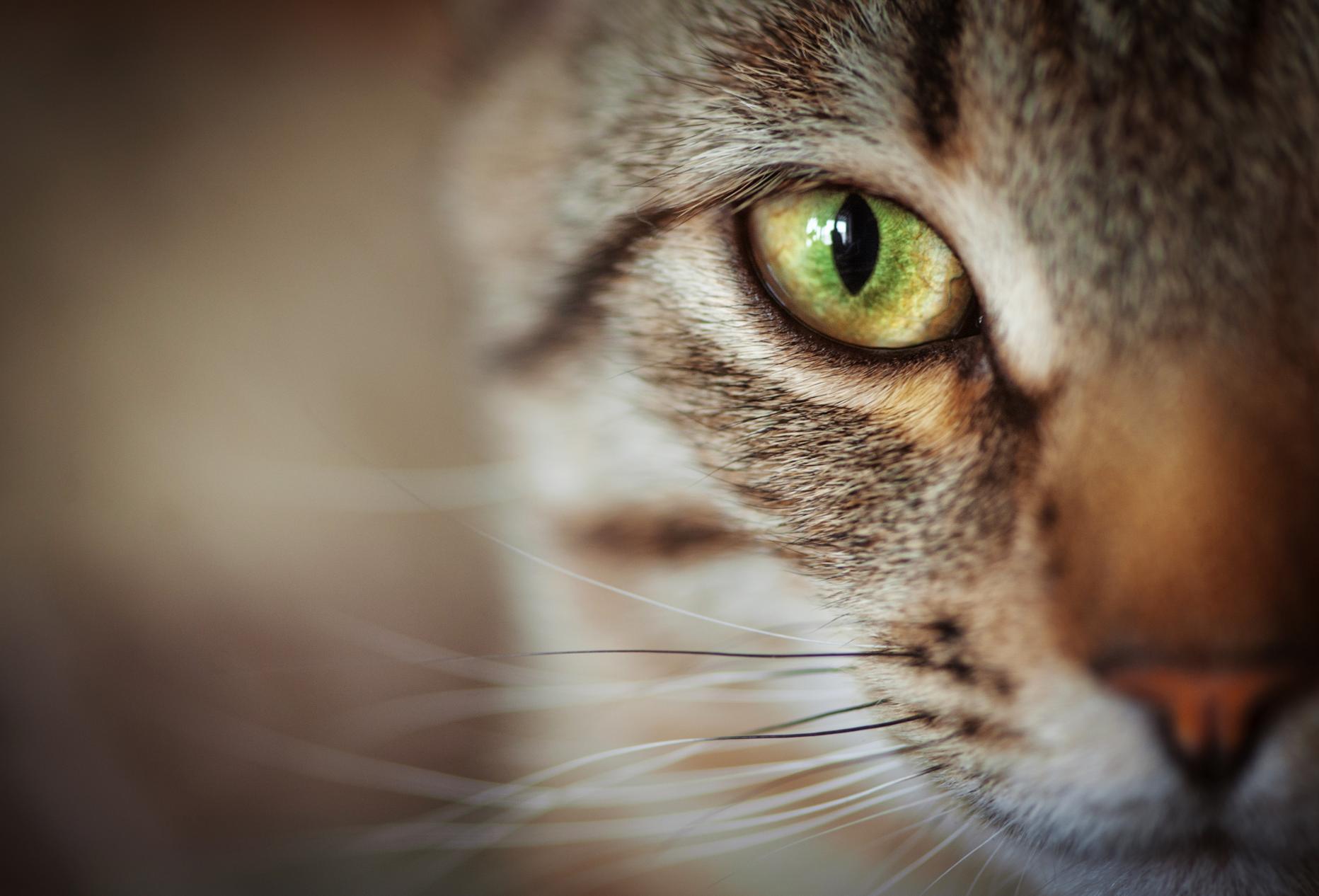
Anisocoria simply means that the pupils are different sizes. Normally, both of your cat’s pupils should respond similarly to changes in light. With cat anisocoria, one pupil may remain noticeably larger or smaller than the other.
It isn’t always obvious which eye is abnormal. Depending on the underlying problem, the affected pupil may be the larger one or the smaller one. You might also notice that the difference becomes more pronounced in bright or dim lighting.
Anisocoria isn’t a disease itself. Instead, it’s a sign that something is affecting the eye, the structures around it, or the nerves that control pupil size.
Why Is One Cat Pupil Larger Than the Other?
If you notice that one of your cat’s pupils is larger than the other, there are several possible explanations. Some involve the eye itself, while others affect the nerves that control the pupil.
Potential causes of unequal pupils can include:
- Eye injuries or trauma
- Inflammation inside the eye, known as uveitis
- Glaucoma, or increased pressure within the eye
- Corneal injuries or ulcers
- Retinal disease
- Neurological conditions affecting the nerves that control the eyes
- Certain infections or other underlying illnesses
Because these conditions can look similar at home, pupil size alone can’t tell you what’s wrong. A veterinary examination is important for identifying the cause and determining whether treatment is needed.
What Other Cat Pupil Changes Should You Watch For?
A difference in pupil size may be the first thing that catches your attention, but take a closer look at your cat’s eyes and behavior. Other changes or eye symptoms can provide useful clues.
Contact your veterinarian if unequal pupils occur along with signs such as redness, cloudiness, excessive tearing, discharge, squinting, or pawing at the eye. You may also notice that the third eyelid is more visible than usual, or that your cat seems sensitive to light.
Changes beyond the eyes matter, too. Difficulty walking, unusual head movements, disorientation, weakness, or sudden behavioral changes may indicate a problem that requires prompt attention.
When Do Unequal Pupils Need Veterinary Care?
A new or unexplained difference in your cat’s pupil size should be evaluated by a veterinarian, particularly if the change appeared suddenly. Some causes of anisocoria can be painful or may threaten vision if they aren’t addressed promptly.
Our veterinarians and staff may begin with a physical examination and a careful evaluation of your cat’s eyes. Depending on what they find, additional testing may be recommended. MarketPlace Veterinary Hospital offers diagnostic services, including an in-house laboratory and access to digital X-rays and ultrasound when appropriate.
If your cat has experienced an injury, seems to be in significant pain, is having trouble seeing or walking, or develops other sudden neurological symptoms along with unequal pupils, seek veterinary attention promptly.
Let Us Take a Closer Look at Your Cat’s Eyes
If your cat’s pupils suddenly look unequal or you’ve noticed other changes in their eyes, don’t wait for the problem to become more obvious. Call MarketPlace Veterinary Hospital at (916) 939-1705 to book an appointment and have your cat’s eyes evaluated by our caring veterinary team.