Why Does My Dog Smell Bad Even After a Bath? Hidden Medical Causes
You bathe your dog, enjoy that fresh-and-clean smell for a day or two, and then the odor returns. If your dog smells bad even after regular grooming, there may be more going on than muddy paws or a dirty coat. Persistent smells can sometimes signal an underlying medical issue that requires veterinary attention.
At MarketPlace Veterinary Hospital in El Dorado Hills, CA, we help pet owners identify the causes of unusual odors and keep their pets healthy, comfortable, and smelling their best.
When a Bad Smell Is More Than a Grooming Problem
All dogs have a natural scent, but a strong or persistent odor that quickly returns after bathing isn’t normal. In many cases, the source of a bad smell in dogs isn’t the coat itself. Instead, it may originate from the skin, ears, mouth, or even internal health conditions.
If you’ve noticed an unpleasant smell that doesn’t improve with bathing, it’s worth paying attention to any other changes in your dog’s appearance or behavior.
Skin Infections and Allergies
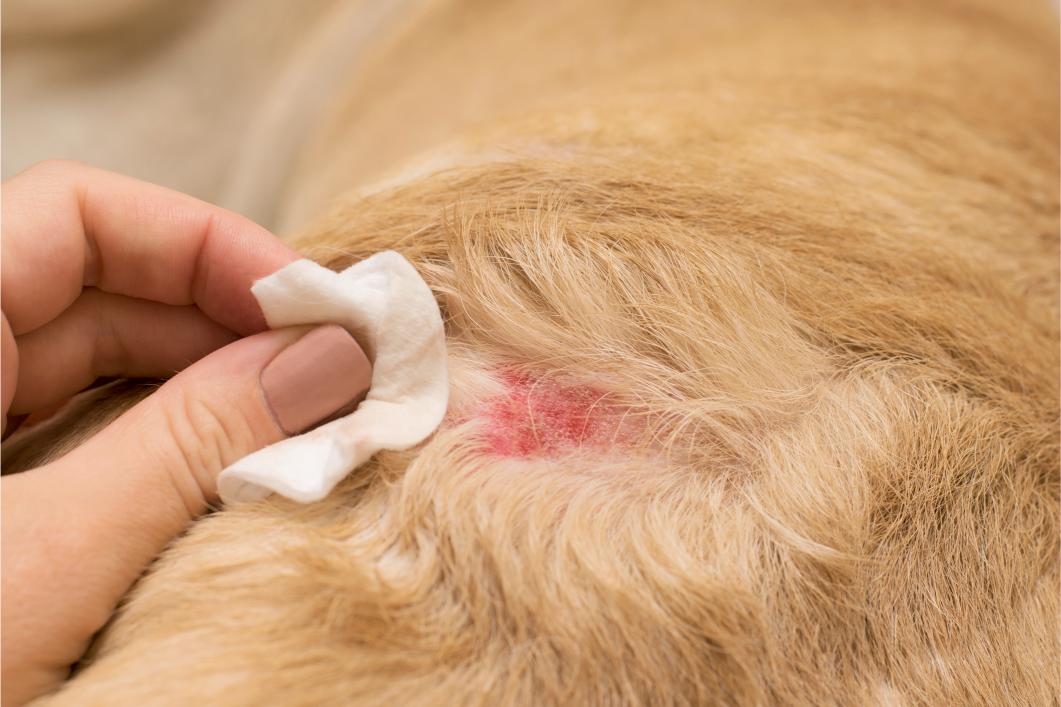
One of the most common reasons a dog smells bad is a skin infection. Bacteria and yeast naturally live on the skin, but when they multiply excessively, they can create a strong, unpleasant odor.
Some common dog skin infection symptoms include:
- Red or irritated skin
- Excessive scratching or licking
- Greasy or flaky skin
- Hair loss
- Thickened or darkened skin
- Rashes or hot spots
- A musty, sour, or “corn chip” smell
Skin infections often develop secondary to allergies. Dogs with environmental or food allergies may scratch and chew at their skin, creating the perfect conditions for infection.
The important thing to remember is that bathing alone won’t resolve the underlying cause. Identifying and treating the allergy, infection, or both is essential for lasting relief.
Ear Infections Can Create Strong Odors
If the smell seems concentrated around your dog’s head, an ear infection may be to blame. Ear infections can produce a noticeable smell that many pet owners describe as yeasty or foul-smelling.
In addition to odor, watch for signs such as:
- Head shaking
- Scratching at the ears
- Redness inside the ear
- Excessive wax or discharge
- Sensitivity when the ears are touched
Because ear infections can become painful and may worsen over time, prompt treatment is important.
Dental Disease and Bad Breath
Sometimes what seems like a body odor is actually coming from your dog’s mouth. Dental disease is extremely common in adult dogs and can lead to severe bad breath.
Plaque and tartar buildup allow bacteria to thrive below the gumline, creating unpleasant smells and increasing the risk of infection. In advanced cases, dental disease can also affect overall health.
If your dog’s breath has become noticeably worse, we may recommend a veterinary dental evaluation.
Anal Gland Problems and Other Hidden Causes
Another possible source of a bad odor in dogs is the anal glands. These small sacs near the rectum produce a strong-smelling fluid that normally empties during bowel movements.
When the glands become impacted or infected, dogs may develop a fishy or unusually strong smell. You may also notice scooting, excessive licking of the rear area, or discomfort.
Less commonly, persistent smalls can be associated with metabolic or hormonal disorders that affect the skin and coat. That’s why recurring odors should never be ignored, especially if they’re accompanied by other symptoms.
When to Schedule a Veterinary Visit
A lingering smell isn’t always an emergency, but it is a good reason to schedule an examination. The sooner the cause is identified, the sooner your dog can feel more comfortable.
If your dog smells bad even after a bath, don’t assume it’s just a grooming issue. Contact MarketPlace Veterinary Hospital at (916) 939-1705 to book an appointment. Our veterinarians and staff can help identify the cause of the odor and recommend the most effective treatment to get your dog back to feeling—and smelling—their best.